Serving Arden-Arcade, CA and surrounding areas. (916) 270-0260
Arden-Arcade Concrete & Masonry serves North Highlands with tuckpointing, brick repair, and foundation repair, and our crew knows the Sacramento County permit process and the expansive clay soils that stress the mortar joints and slab foundations common on the area's 1940s-to-1960s postwar homes. We have been serving the greater Sacramento region since 2019.
North Highlands has one of the largest concentrations of mid-century brick homes in Sacramento County, and most of those homes have mortar joints that have been through 60 to 80 summers of 100-degree heat and 60 to 80 wet seasons of concentrated winter rain - conditions that wear mortar faster than most homeowners realize. Our tuckpointing work uses mortar mixes matched to the softer brick common on postwar construction in this area, so new joints do not crack the original brick the way modern high-strength mixes can.
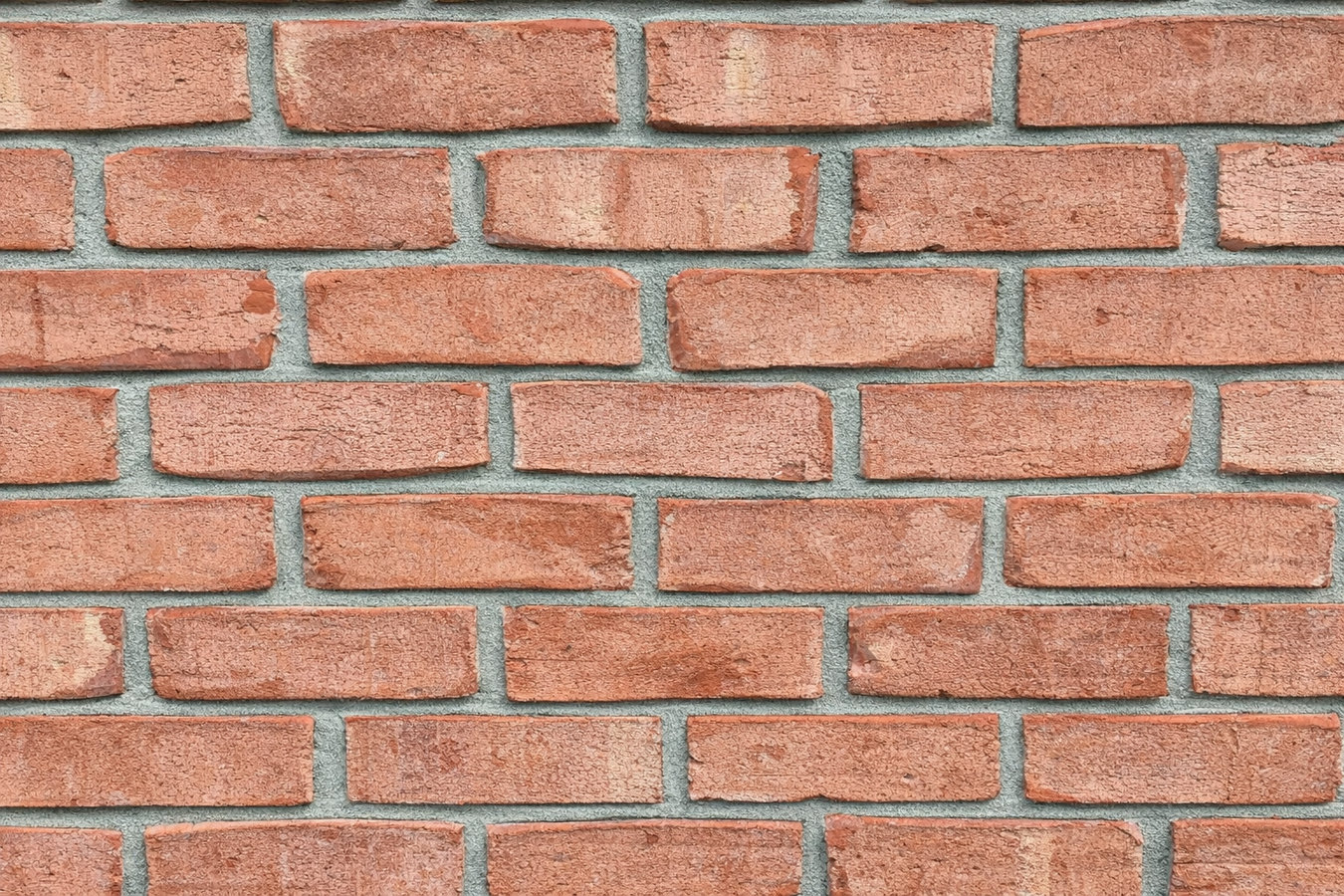
When spalling or cracked bricks on a North Highlands postwar home are left alone, water that enters through the damaged face works deeper into the wall cavity every wet season. Many homes here have brick chimney stacks or decorative brick banding that has not been touched since the house was built, and by now the brick faces themselves - not just the mortar - may need replacement in spots. We match replacement brick as closely as possible to the original so repairs blend with the existing wall rather than creating an obvious patch.
Nearly every home in North Highlands sits on a concrete slab poured on Sacramento Valley clay soil, and many of those slabs are now 60 to 80 years old. The seasonal expansion and contraction of that clay over decades produces cracks that start narrow and widen gradually until doors stop closing correctly or gaps open between the floor and the baseboards. We assess whether the soil is still actively moving before recommending a repair approach, because a fill-only repair on a still-moving slab will reopen within a season.
Postwar homes in North Highlands were commonly built with masonry chimneys, and at 60 to 80 years old those chimneys are among the most maintenance-intensive masonry features on any property in the area. The top few feet of a chimney take the harshest combination of UV exposure, extreme heat, and concentrated winter rain of any part of the exterior. Flashing failures and crumbling mortar caps allow water to work down the flue and into the firebox - a repair that is straightforward when caught early and far more costly when ignored for seasons.
North Highlands lots are mostly flat, but backyard grade changes and raised planting areas are common throughout the older subdivisions - and original retaining walls from the 1950s and 1960s that were built without adequate drainage behind them are now failing. Clay soil holds water all winter and builds hydrostatic pressure against a wall face without a weep system to relieve it. New retaining walls we build in North Highlands include reinforced footings sized for clay conditions and proper drainage backfill so the first winter does not become the wall's last.
The older sections of North Highlands have homes where brick or block exterior features have been neglected long enough that repair now means restoring the original material profile, not just filling cracks. Masonry restoration on a postwar home here involves carefully removing failed mortar and any loose brick, cleaning the existing masonry, and reintegrating new material in a way that matches the original color and texture. The goal is a structurally sound wall that looks like it was always meant to look - not a visible patch on an otherwise intact surface.
North Highlands was built in a concentrated wave between the late 1940s and the mid-1960s, largely to house workers and families connected to McClellan Air Force Base. That building history means the area has an unusually large share of postwar homes that are now 60 to 80 years old - properties where original masonry features have been subject to decades of Sacramento Valley climate without significant attention. The expansive clay soil that runs through most of Sacramento County shifts measurably every year - swelling when winter rains saturate it, shrinking back when summer heat bakes the moisture out. That seasonal cycle puts real cumulative stress on concrete slabs, mortar joints, and any masonry built at or near grade level. Contractors who do not account for this in their repair approach are setting their customers up for repeat failures within a few years.
The climate amplifies the challenge. North Highlands summers regularly hit 100 degrees Fahrenheit and higher, with low humidity that dries mortar joints faster than most homeowners expect - especially on south- and west-facing walls. Winter brings concentrated rainfall from November through March, and those rains find every opening in a wall, chimney, or slab that summer heat has left behind. Because North Highlands is an unincorporated community under Sacramento County jurisdiction, permits for structural masonry work go through the county rather than a city building department - a process that moves on its own timeline and requires a contractor who knows the county permit system from regular use.
Our crew works throughout North Highlands regularly, and we pull building permits for structural masonry through Sacramento County's Department of Community Development on behalf of homeowners here. The postwar tract homes that dominate North Highlands - especially around the McClellan Park area and throughout the subdivisions east of Watt Avenue - are built with brick and block materials that require specific mortar hardness matching to avoid damaging the original softer bricks. That is a detail that matters in this neighborhood more than in newer Sacramento-area suburbs where the original masonry is rarely more than 30 years old.
The area runs roughly from Antelope Road in the north down toward Del Paso Road in the south, with Watt Avenue cutting through the middle as the main commercial corridor most residents know well. Homes closer to the former base site are some of the oldest in the community and often have deferred maintenance on masonry features that has been accumulating for decades. We also serve homeowners in the neighborhoods along Don Julio Boulevard and throughout the eastern portions of North Highlands bordering the Antelope area.
We work regularly in nearby Arden-Arcade to the south - the home base of our operation - and throughout Citrus Heights to the northeast, so our crew is already routing through the North Highlands area regularly.
Reach us by phone or through our contact form and describe what you are seeing - crumbling mortar, a cracked slab, a leaning wall. We respond to every North Highlands inquiry within one business day.
We come to your North Highlands property, assess the actual condition, and give you a written itemized estimate. We tell you honestly whether a permit is required through Sacramento County before we quote the work - no surprises after you have agreed to a price.
Once you approve the estimate, we schedule the job around your availability. Tuckpointing and brick repair jobs typically do not require you to be home during the work - the crew works on the exterior and lets you know when the area is clear.
We clean the work area before leaving and walk you through the finished work. On any project requiring a Sacramento County inspection, we coordinate the inspection appointment and make sure it passes before closing out the job.
We serve all of North Highlands. One business day response. Written estimates before any work begins.
(916) 270-0260North Highlands is an unincorporated community in Sacramento County sitting just north of the city of Sacramento along the Interstate 80 corridor. Most of the community was developed between the late 1940s and the 1960s to house military families and base workers connected to McClellan Air Force Base, which operated on the western edge of North Highlands from 1936 until it closed in 2001. The former base has since been redeveloped into McClellan Park, a business and industrial center that remains one of the area's most recognizable landmarks. The community is almost entirely residential, with a mix of longtime owner-occupied homes and a significant share of rental properties managed by landlords, many of which have seen deferred maintenance over the decades.
Homes in North Highlands are predominantly one-story postwar ranch designs on modest lots, built with the brick, block, and stucco materials common to Sacramento Valley construction of that era. Watt Avenue and Antelope Road are the main commercial corridors most residents use regularly. The housing stock, while aging, reflects a neighborhood with genuine community roots - and that same age is exactly why masonry maintenance and repair is such a consistent need throughout the area. Our service territory extends directly into neighboring Sacramento to the south and Antelope to the northeast, giving us deep familiarity with the range of property types across this part of Sacramento County.
Restore structural integrity and protect your property from further damage.
Learn MoreBuild sturdy retaining walls that control erosion and shape your landscape.
Learn MoreRevive aging masonry to its original character and structural soundness.
Learn MoreAdd natural stone beauty to interior or exterior walls with expert installation.
Learn MoreConstruct solid concrete block walls for privacy, security, and durability.
Learn MoreLay strong block foundation walls that support your structure long-term.
Learn MoreDesign and build beautiful outdoor kitchen structures in brick or stone.
Learn MoreBuild freestanding or boundary brick walls with precision craftsmanship.
Learn MoreWe serve all of North Highlands and respond within one business day. Call or request an estimate online today.