Serving Arden-Arcade, CA and surrounding areas. (916) 270-0260
Chipped bricks, stair-step cracks, and crumbling mortar get worse every rainy season. We diagnose what is actually wrong, match your original materials, and fix it properly - so the repair holds and your home looks right.
Brick repair in Arden-Arcade covers replacing cracked or crumbling individual bricks, refreshing the mortar joints between them, or both - and most residential jobs here wrap up in one to two days, with larger repairs taking three to five days depending on scope.
If your home is part of Arden-Arcade's postwar housing stock - built in the 1940s, 1950s, or 1960s - there is a good chance the original brick and mortar have been through enough Sacramento heat cycles and wet winters to need attention. Water is the main enemy here. Once mortar starts to crack or pull away from the brick face, every winter rain pushes moisture deeper into the wall, and what started as a joint problem can become a brick problem.
When the mortar is worn but the bricks themselves are still solid, the answer is often tuckpointing rather than full brick replacement. A proper assessment from a masonry contractor tells you which approach fits your situation - and keeps you from paying for more work than you actually need.
Press your thumb firmly against the mortar between two bricks. If it crumbles, flakes, or feels soft and sandy, the mortar has broken down and is no longer doing its job. This is especially common in Arden-Arcade homes built before 1980, where the original mortar has been through decades of Sacramento hot-dry-wet cycles. Soft mortar is the first stage - catch it here and repair is straightforward.
Diagonal cracks that travel up the wall in a stair-step pattern along mortar joints are a classic sign of foundation or soil movement. In Arden-Arcade, this is often related to the clay soils expanding and contracting with the seasons. These cracks need professional attention - they can indicate that the wall is shifting, not just weathering, and patching them without addressing the cause will not hold.
When the face of a brick starts to flake off in thin layers - called spalling - it usually means water has been getting behind the surface and expanding as temperatures change. In Arden-Arcade, winter rain combined with heat-stressed mortar causes this over time. Once a brick starts spalling, it will not stop on its own, and a damaged face lets in even more water.
A chalky white film or streaks on your bricks - especially after the rainy season - is a sign that water is moving through the wall and carrying dissolved salts to the surface. It means moisture is getting in through failing mortar joints or a crack somewhere. Left alone, it will get worse each winter as water continues to work its way deeper.
Every job starts with a hands-on assessment - we walk the affected area, probe mortar joints, and look for signs of any underlying issue like soil movement or water drainage problems before recommending a repair path. If the bricks are cracked, shifting, or spalling, we carefully remove the damaged units and source matching replacements as closely as possible to the original material. Color matching is a priority from the start, which means testing samples against your existing brick before mixing a full batch. For Arden-Arcade homes from the postwar era, we also assess the mortar strength and use a softer mix appropriate to the original brick, rather than defaulting to a modern high-strength product that can do more harm than good. Where mortar is the primary problem rather than the brick itself, we connect the job to our tuckpointing service so you get the right scope for the actual damage.
For driveways, patios, and paved areas where brick pavers have shifted, cracked, or sunken - often due to tree roots or settling soil - we assess those alongside wall repairs when relevant. If your situation calls for new hardscape in addition to the structural fix, we can also discuss driveway pavers as a coordinated next step. All brick repair work includes a written scope and fixed price before any work begins, and a walkthrough at completion.
Best for walls where specific bricks have cracked, spalled, or shifted while the surrounding masonry remains structurally sound and the damage is isolated.
Suited for sections where mortar has receded or softened but the bricks themselves are intact, and the primary goal is restoring a watertight seal across the wall.
Appropriate for stair-step or diagonal cracks caused by soil movement, where we address both the visible crack and - where possible - the underlying cause to prevent recurrence.
For walls or chimney sections where deterioration is extensive enough that spot repairs will not hold, we rebuild the affected section with matched materials and proper structural backing.
Arden-Arcade was built largely in the 1940s through the 1960s, which means a large portion of the housing stock carries brick that is now 50 to 80 years old and original mortar that has been through hundreds of Sacramento heat cycles and wet winters. The Sacramento Valley climate - extremely hot and dry from May through September, then soaked from November through March - is one of the more demanding combinations for masonry. Mortar dries out and contracts in summer heat, then gets saturated during winter rains before it fully recovers. Homeowners who notice new cracking each spring are often looking at a pattern that has been building for years.
Another local factor is the expansive clay soil that sits under much of this area. That soil swells when wet and shrinks when dry, putting seasonal stress on walls and foundations alike. Stair-step cracks that keep coming back in the same spots are often a symptom of this soil behavior, not just routine weathering. Homeowners in Citrus Heights and Rancho Cordova deal with the same clay soil conditions and see similar patterns. The Brick Industry Association provides technical guidance on diagnosing wall movement, and understanding the difference between soil-driven cracking and simple mortar failure changes the repair approach significantly.
Reach out by phone or through the contact form. We reply within one business day, ask a few basic questions about where the damage is and how large the affected area looks, and schedule a free in-person visit - usually within a few days.
The mason walks the affected area, probes the mortar joints, and looks for any underlying issues - soil movement, drainage problems, or water damage behind the wall. You receive a written estimate breaking down labor and materials. If the job requires a permit, we tell you at this stage and include that cost in the quote.
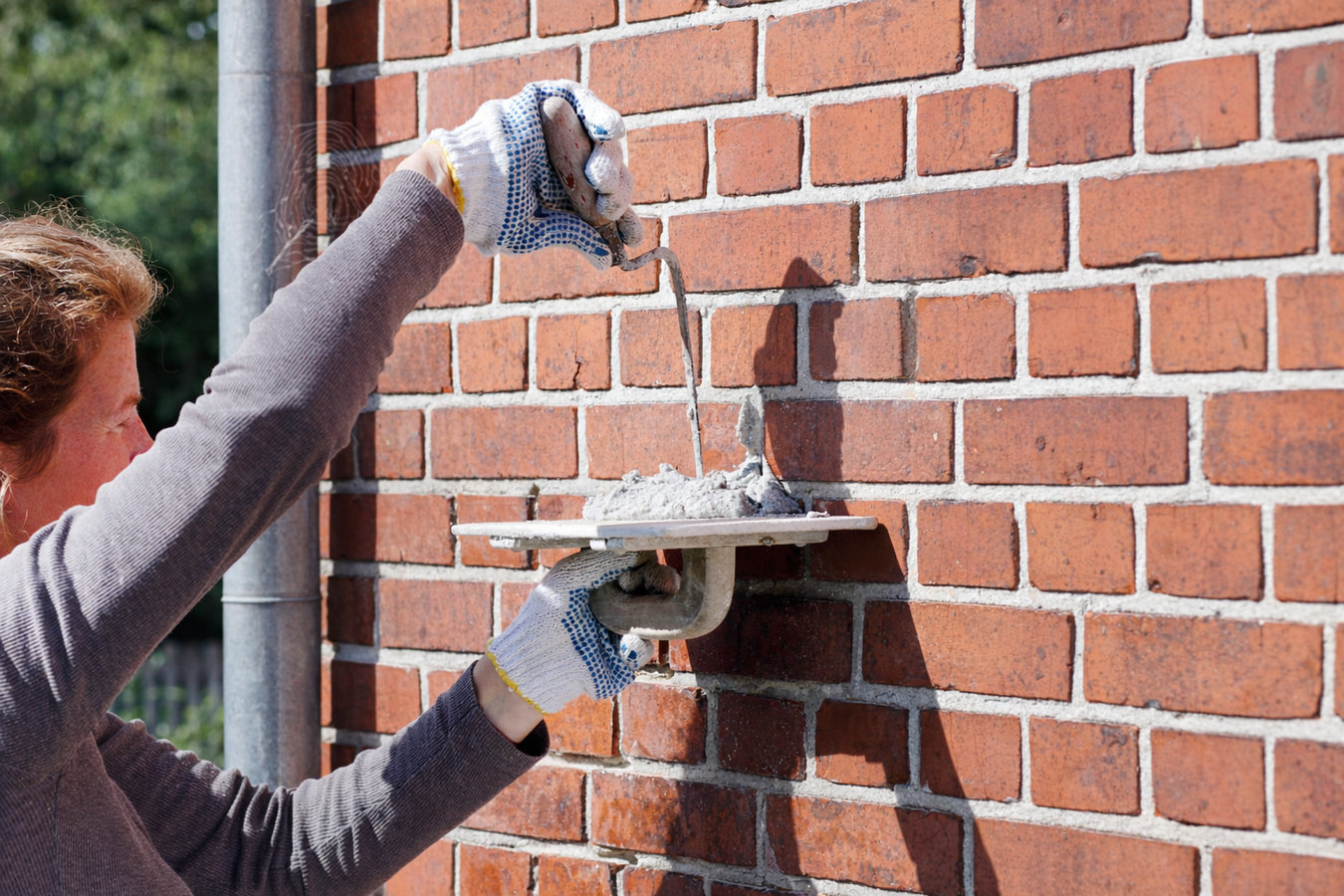
The crew carefully removes damaged mortar or broken bricks using hand tools and small grinders to avoid harming surrounding masonry. New mortar is mixed to match the existing material, packed into joints, and shaped to the original profile. Replacement bricks are sourced as closely as possible to the original.
The crew cleans mortar residue off brick faces and removes all debris. Walk the repair area with the mason before they leave so you can see exactly what was done. Keep the repaired area dry for 24 to 48 hours - no sprinklers or hose spray - and avoid pressure washing near the repair for at least four weeks.
Free in-person assessment. Written quote with no obligation. We respond within one business day.
(916) 270-0260One of the most common complaints about brick repair is that the finished work is obvious - bright white mortar, replacement bricks that look nothing like the original. We test mortar samples against your existing joints before we mix a batch and source replacement bricks that are as close to your original units as possible. The goal is a repair your neighbors cannot spot from the street.
We do not just fill the visible gap. We find out why it opened in the first place - whether that is soil movement, water drainage, or mortar that has simply reached the end of its life - and address the cause alongside the symptom. A repair that holds through next winter and the one after that is worth more than a patch that reopens by February.
Mid-century Arden-Arcade homes use softer brick that requires a softer mortar when repaired. A modern high-strength mix on those bricks becomes harder than the brick itself - and eventually the brick loses that fight. We assess the existing mortar before selecting a mix, which is the step that protects your original materials rather than damaging them. The National Park Service sets the standard for this with its guidance on repointing historic masonry - and it is the approach we follow.
Most cosmetic brick repairs do not require a permit in Sacramento County, but structural work does. We tell you upfront which category your job falls into and handle all required permit coordination through the county if needed. You will not have to figure out the process or make calls to the Building Inspection Division on your own.
When you call us, you get a licensed masonry company that knows the local housing stock, the clay soil conditions, and the county permitting process - and that gives you a fixed written price before any work begins. That combination is harder to find than it should be.
When brick or paver surfaces on driveways and patios have heaved, cracked, or shifted due to root intrusion or settling soil, we can restore or replace the full surface.
Learn MoreIf the mortar joints are failing but the bricks themselves are still sound, tuckpointing addresses the joints alone - a more targeted and less costly repair than full brick replacement.
Learn MoreArden-Arcade's wet winters start in November - repairs done now cure fully before the first heavy rain hits your walls.