Serving Arden-Arcade, CA and surrounding areas. (916) 270-0260
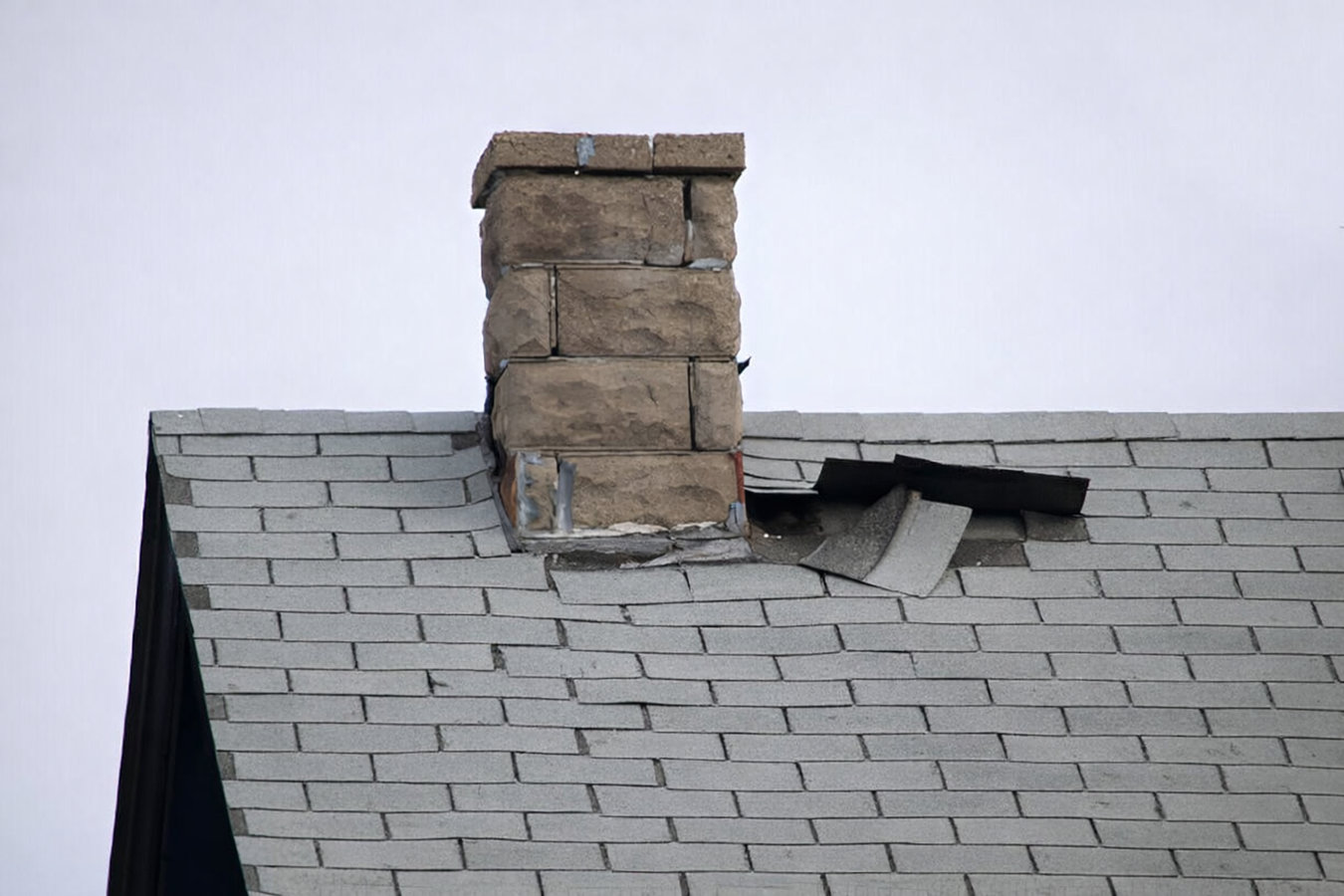
Crumbling mortar, water stains near your fireplace, or a chimney that has shifted after a small quake? Older masonry chimneys in Arden-Arcade take a beating from wet winters, dry summers, and Northern California seismic activity. We inspect first, explain what we find, and repair it right.
Chimney repair in Arden-Arcade covers the mortar, crown, cap, flashing, and liner of your masonry chimney, and most common repairs - tuckpointing, cap replacement, or flashing work - are completed in a single day with mortar or sealant fully cured within 24 to 48 hours.
A chimney is a sealed system that moves combustion gases safely out of your home. When any part of it breaks down - whether from mortar deterioration, a cracked crown, failed flashing, or a damaged liner - moisture gets in, gases can back up, and what started as a small repair becomes a larger one. In Arden-Arcade, where most chimneys were built in the 1950s and 1960s, the mortar joints are almost always showing some wear after 60 or more years of Sacramento Valley winters.
Chimney repairs often pair naturally with tuckpointing when the mortar deterioration extends beyond the chimney itself to surrounding brickwork. Catching it all at one visit avoids two rounds of scaffolding and scheduling.
If you notice white, chalky streaks or patches on the bricks, that is efflorescence - a sign that water is moving through the masonry and carrying mineral deposits to the surface. In Arden-Arcade, where winter rains can be persistent, this kind of staining often means mortar joints have opened up enough to let moisture in. Left alone, it leads to spalling bricks and more expensive repairs.
A brown or yellowish stain on the ceiling or the wall beside your fireplace almost always traces back to a chimney problem - usually failed flashing or a cracked crown. This is one of the most common calls chimney contractors get from homeowners in older Arden-Arcade neighborhoods after the first heavy rains of the season.
Stand back and look at your chimney from the yard. If you can see gaps where mortar used to be, or if mortar crumbles when you press it lightly, the joints need to be repointed. Given that many Arden-Arcade chimneys are from the 1950s and 1960s, this is one of the most common issues contractors find on first inspection.
If smoke backs up into your living room instead of going up and out, something is blocking or restricting the flue. This can be a buildup of creosote, a damaged liner, or a cap that has shifted and is partially blocking the opening. Any of these conditions means the chimney should not be used until it has been inspected and cleared.
Every chimney repair starts with an inspection - both the exterior brickwork and, where warranted, a camera look inside the flue. Damage that looks minor from the ground can be more serious inside, and a camera inspection is the only reliable way to assess liner condition. From there we match the repair to what the chimney actually needs. Tuckpointing addresses deteriorated mortar joints before water infiltration accelerates brick damage. Crown repair, cap replacement, and flashing work seal the top of the chimney against moisture. Liner repair or replacement restores the sealed passage that keeps combustion gases moving safely out of your home.
When a homeowner wants to pair a repaired chimney with a new hearth surround or insert, we coordinate fireplace installation work at the same time. Combining both projects reduces total disruption and means one set of permits and one final inspection. All repair work includes a written scope, permit handling through Sacramento County where required, and a county inspection before we close out the job.
Best suited for chimneys where mortar joints have deteriorated but the brick itself is still structurally sound - the most common repair on Arden-Arcade homes from the postwar era.
Appropriate when the concrete cap at the top of the chimney has cracked from freeze-thaw cycles or seismic stress, allowing water to enter the flue opening.
Ideal when the metal seal between the chimney and roof has failed, allowing water to run directly into the attic or wall structure with each rainfall.
Required when the interior flue liner has cracked or is missing, which is common in older Arden-Arcade chimneys that were never lined or whose original clay tile liner has deteriorated.
Most chimneys in Arden-Arcade were built during the postwar suburban boom of the 1950s and 1960s, when the area developed rapidly. At 60 to 70 years old, original masonry chimneys in these homes have gone through hundreds of wet-dry seasonal cycles, and many have never had significant repairs. Sacramento Valley winters bring steady rain from November through March, and the freeze-thaw cycles that occur when temperatures dip below freezing overnight - even mildly - accelerate mortar deterioration year after year.
Northern California seismic activity adds another variable. Even minor tremors that you barely notice can loosen mortar joints or shift the chimney crown in ways that are not visible from the ground. If your home has been through any notable shaking in recent years, a camera inspection of the flue is a reasonable precaution - not just for fire safety, but because a weakened chimney is a structural hazard to the roof around it.
We work on chimneys throughout the area, including in Fair Oaks and Citrus Heights, where the same postwar housing stock and Sacramento Valley climate conditions make mortar deterioration and crown cracking equally common. Scheduling ahead of the fall rush means shorter wait times and time for mortar to cure before the first cold nights.
We ask a few questions about your home and any problems you have noticed, then schedule an inspection visit. We do not quote repairs over the phone without seeing the chimney. We aim to respond within one business day and will give you a realistic appointment window.
We examine the exterior brickwork, crown, cap, and flashing, then look inside the firebox. For a thorough review we use a camera on a flexible cable to inspect the full length of the flue. You receive a written, itemized estimate before any work is scheduled, including whether a Sacramento County permit is needed.
Most common repairs are done in a single day. More involved work, like a full liner replacement, may take two days. We protect your floors and fireplace surround with drop cloths and clean up debris before we leave. Permit applications and county inspection scheduling are handled by us.
Before we leave, we walk you through the completed work and tell you how long to wait before using the fireplace - typically 24 to 48 hours for mortar or sealant to cure. If a permit was pulled, we coordinate the county inspection and confirm when everything is signed off.
We inspect first and give you a written estimate before any work begins. No guessing, no surprise costs - just a clear breakdown of what needs attention and what it will take to fix it. Schedule your inspection today.
(916) 270-0260We do not give repair quotes over the phone without seeing the chimney. Every project starts with an on-site inspection - exterior review, firebox check, and camera inspection of the flue where appropriate. You get a written, itemized estimate before we schedule any work, so you know exactly what is being repaired and why.
Arden-Arcade is unincorporated, so permits for structural chimney work go through Sacramento County - not a city office. We know which repairs trigger the permit requirement, we handle the application, and we coordinate the county inspection. You end up with a clean permit record for your home with no paperwork on your end.
Arden-Arcade's rainy season starts in November, and mortar or sealant needs 24 to 48 hours to cure after a repair. When you schedule in late summer or early fall, your chimney is fully repaired, cured, and cleared for use well before the first cold nights - not rushed or still drying when the rains arrive.
Northern California earthquakes - even minor ones - can shift chimney crowns, loosen mortar, and crack liners in ways you cannot see from the ground. The USGS Earthquake Hazards Program documents ongoing seismic activity in this region. We inspect for those subtle shifts on every visit, not just the visible exterior damage.
Chimney repair done right means the whole system is sealed - not just the obvious crack or the part that leaked. Every repair we do starts with understanding the full picture, and the work is not finished until your chimney passes its final inspection and you know exactly what was done.
For independent guidance on chimney safety standards, the Chimney Safety Institute of America and the National Fire Protection Association both publish homeowner resources that are worth reading before any major repair.
Replacement of deteriorated mortar in brick and masonry joints - the same repair chimneys need, applied to exterior walls, planters, and other masonry structures throughout your property.
Learn MoreNew fireplace construction or insert installation coordinated alongside a chimney repair, so both the hearth and the flue system are rebuilt or updated at the same time.
Learn MoreArden-Arcade's rainy season starts in November - book your inspection now and we will have your chimney repaired and ready before the first cold night. Free estimates, no obligation.