Serving Arden-Arcade, CA and surrounding areas. (916) 270-0260
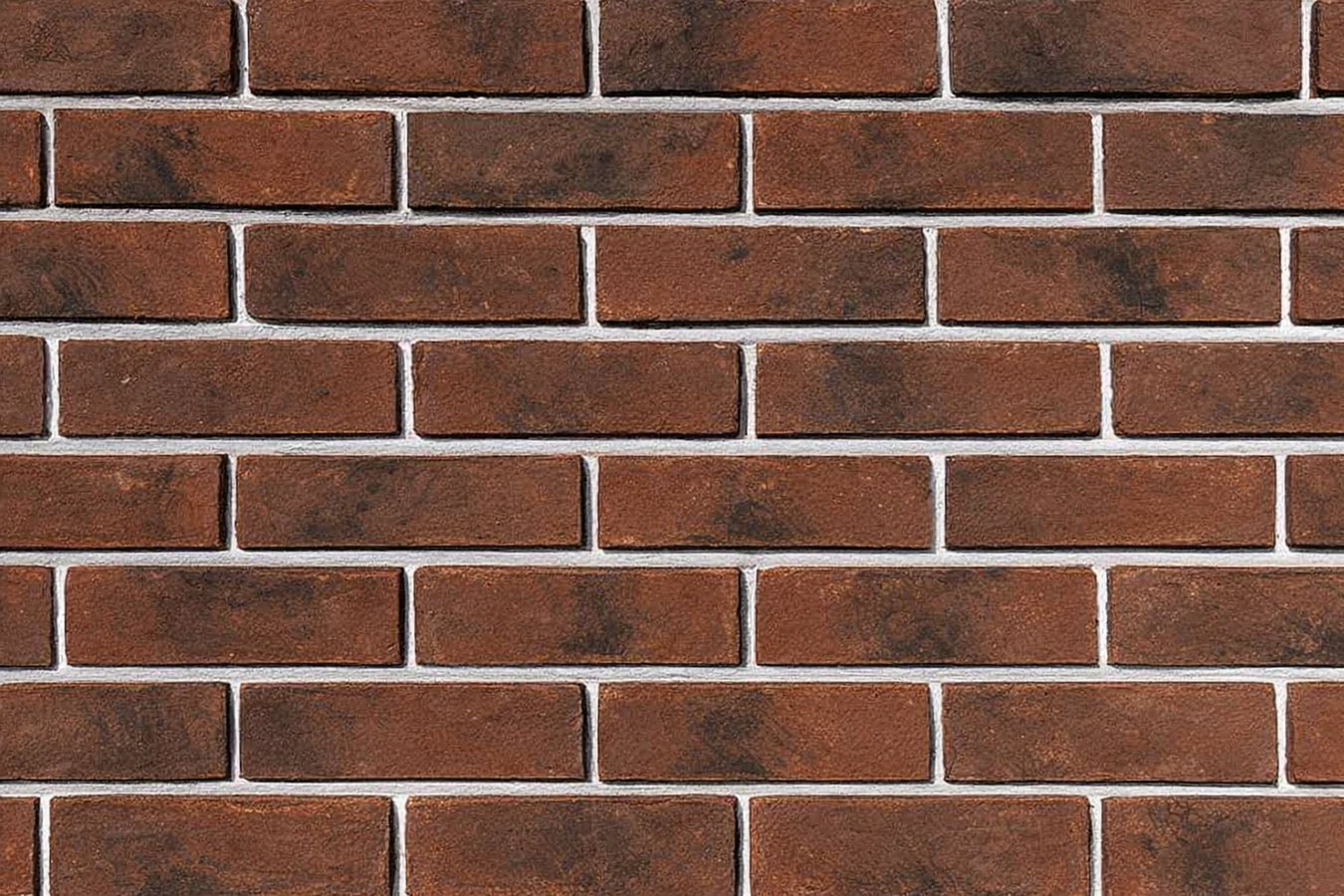
Arden-Arcade Concrete & Masonry serves Antelope with brick wall installation, foundation repair, and concrete flatwork - and our crew knows the Sacramento County permit process and the clay soil conditions that affect masonry on the area's 1980s-to-1990s tract homes. We have been serving the greater Sacramento region since 2019.
Antelope's suburban lots - typically 5,000 to 7,500 square feet with fenced backyards - are well suited to brick privacy walls and garden walls that outlast wood fencing by decades. Sacramento County clay soils mean the footing depth and concrete base under the wall determine how long it stays plumb, and contractors who size footings for average soil rather than actual local conditions are the reason many Antelope walls develop visible lean within ten years. Our brick wall installation work accounts for the expansive clay conditions here, with footings reinforced and sized to resist the seasonal push from below.
Most Antelope homes were built on concrete slab foundations in the 1980s and 1990s, and many are now 30 to 40 years into the seasonal expansion-and-contraction cycle that Sacramento Valley clay soils produce every year. Foundation cracks that appeared narrow in year ten can widen noticeably by year thirty. We assess whether the underlying soil is still moving before recommending a repair method, because a crack fill that ignores active soil movement will reopen within a season.
Even modest grade changes in Antelope yards require retaining walls with proper drainage behind them - Sacramento Valley clay holds water and builds hydrostatic pressure against a wall face every wet season. Walls built without drain rock and a weep system in the 1980s and 1990s are the most common retaining wall failure pattern we see in Antelope. We build and rebuild retaining walls with the drainage backfill and reinforcement that Antelope's soil conditions require from the first winter.
Concrete driveways on Antelope's 1980s-to-1990s homes are now at an age where clay soil movement has produced visible cracking, panel heaving, and settled sections along control joints. Paver driveways tolerate seasonal soil movement better than poured concrete because individual units flex slightly rather than cracking across the full slab. When settling occurs, individual pavers can be reset without the cost and disruption of a full pour replacement.
Brick chimneys and decorative brick features on Antelope homes from the 1980s and 1990s now have mortar joints that have gone through 30-plus Sacramento Valley summers. Heat dries and shrinks mortar over time, and once joints open, winter rain enters and widens them from inside the wall cavity. Tuckpointing removes the failed mortar, replaces it to the correct depth with fresh material matched to the existing brick hardness, and restores the joint profile that sheds water correctly.
Concrete block walls are a common property-line and backyard feature in Antelope's suburban subdivisions, and many of the original walls from the 1980s and 1990s are now showing the effects of decades of clay soil movement and Sacramento Valley heat cycling. Walls that have developed horizontal cracking or visible lean may need full replacement rather than patching. New block walls we build in Antelope are reinforced with steel in the cores and set on footings sized for the actual soil conditions - not a one-size-fits-all standard.
Antelope grew rapidly during the 1980s and 1990s as Sacramento's suburbs expanded outward, and most of the community's housing stock was built in a concentrated window during those two decades. That means a large share of homes are now between 30 and 40 years old - the age at which concrete flatwork, mortar joints, and masonry built on Sacramento Valley clay soils start showing meaningful wear. The clay under most Antelope properties is expansive, meaning it swells significantly when winter rains saturate it and shrinks back when the long, dry summer bakes the moisture out. Thirty years of that seasonal cycle puts real cumulative stress on driveways, block walls, brick features, and slab foundations. Contractors who do not account for clay soil movement in their footing depth and reinforcement specifications are building repairs that will fail again within a few years.
The climate adds its own pressure to an already demanding maintenance environment. Antelope summers regularly exceed 100 degrees Fahrenheit and sometimes reach 110 during heat waves - conditions that dry out mortar joints and cause stucco to crack at a faster rate than most homeowners expect. Sacramento Valley winters bring concentrated rainfall from November through March, often arriving in heavy storm events that push water against anything with a crack in it. A wall or foundation with small openings by October can absorb a significant amount of moisture during the first atmospheric river of the season. Because Antelope is an unincorporated Sacramento County community - not its own city - building permits for walls, foundations, and structural masonry work go through Sacramento County's Department of Community Development. A contractor who works in this area regularly knows that process, knows the inspection stages, and can handle it without adding months to your project timeline.
Our crew works throughout Antelope regularly, and we pull building permits for structural masonry - brick walls, retaining walls, and foundation work - through the Sacramento County Department of Community Development. Because Antelope is unincorporated, homeowners sometimes do not realize their projects require county permits rather than city approvals - we clarify that at the estimate visit and manage the county process from application to final inspection sign-off.
Antelope Road and Watt Avenue are the two corridors most residents use daily, and the subdivisions that branch off them represent the majority of the work we do in this community. Homes closer to Antelope High School and the central part of the community tend to be older, with more established landscaping and flatwork that has gone through more wet-dry cycles. Homes in the subdivisions near the Roseville border to the north are somewhat newer and may not show as much soil-related movement yet - but the clay soil conditions are the same, and foundations and flatwork there will follow the same pattern in time.
We serve the communities surrounding Antelope as well. Just to the north, Roseville is one of our regular service areas - the housing stock there is similar in many ways, though the newer west-side subdivisions are about a decade younger than the core of Antelope. To the south, Citrus Heights borders Antelope and shares the same 1980s-to-1990s suburban character and clay soil profile.
Reach us at (916) 270-0260 or through our contact form. We respond to all Antelope inquiries within one business day and schedule an on-site visit at a time that works around your availability - no need to take time off for the initial meeting.
We visit the property, evaluate the existing masonry and soil conditions, and determine whether Sacramento County permits apply to your project. You receive a written itemized estimate before any work is approved - no surprises on the invoice and no pressure to decide on the spot.
Our crew arrives on the agreed start date with materials ready. For brick walls and foundation work, we coordinate Sacramento County footing inspections at the required stages. We keep the site clean daily and work around your schedule where possible.
When the project is done, we walk the finished work with you, explain mortar curing requirements and any maintenance steps specific to your project, and confirm that the county permit is closed. We remain reachable after project completion if questions come up.
We cover all of Antelope and know Sacramento County's permit process from start to finish. Call us or send a message and we will respond within one business day.
(916) 270-0260Antelope is an unincorporated community in northeastern Sacramento County with a population of around 130,000 people, making it one of the larger suburban communities in the greater Sacramento area. It developed rapidly during the 1980s and 1990s as the county expanded outward from Sacramento, and most of its housing stock reflects that era - two-story stucco-sided tract homes with tile roofs, attached two-car garages, and standard suburban lots with fenced backyards. Antelope Road runs east to west through the heart of the community, and the Antelope Crossing shopping center along that corridor serves as one of the main gathering points for daily errands. Because Antelope is not an incorporated city, all building permits, code enforcement, and public services are managed through Sacramento County - a practical reality that affects every construction project in the area. Details about development services are maintained by the Sacramento County Department of Community Development.
The housing stock in Antelope is fairly consistent - most homes are single-family owner-occupied properties built in a narrow window between 1985 and 2002. That concentration means most of the community is hitting the same maintenance thresholds at the same time, with flatwork, masonry features, and foundations all reaching the 30-to-40-year mark where Sacramento Valley clay soils have done their work. Newer subdivisions near the northern edge of Antelope, close to the Roseville border, are a decade younger and somewhat less affected, though the same soil conditions apply. Antelope borders Roseville to the north along Highway 65 and Citrus Heights to the south, and we serve all three communities regularly.
Restore structural integrity and protect your property from further damage.
Learn MoreBuild sturdy retaining walls that control erosion and shape your landscape.
Learn MoreRevive aging masonry to its original character and structural soundness.
Learn MoreAdd natural stone beauty to interior or exterior walls with expert installation.
Learn MoreConstruct solid concrete block walls for privacy, security, and durability.
Learn MoreLay strong block foundation walls that support your structure long-term.
Learn MoreDesign and build beautiful outdoor kitchen structures in brick or stone.
Learn MoreBuild freestanding or boundary brick walls with precision craftsmanship.
Learn MoreCall us at (916) 270-0260 or send a message through our contact form. We serve all of Antelope and respond within one business day.